5Dim Guides Combat

Combat

The 5Dim combat system

Space combat is the heart of competition in 5Dim. Attacking and defending well makes the difference between growing or stagnating. This guide explains how round-based battles work, how damage is calculated, what happens to the remains of destroyed ships, and what offensive and defensive strategies you need to know to come out victorious. Remember that victory depends as much on the size of your fleet as on the design of your ships and the intelligence of your plan.

How a battle is resolved

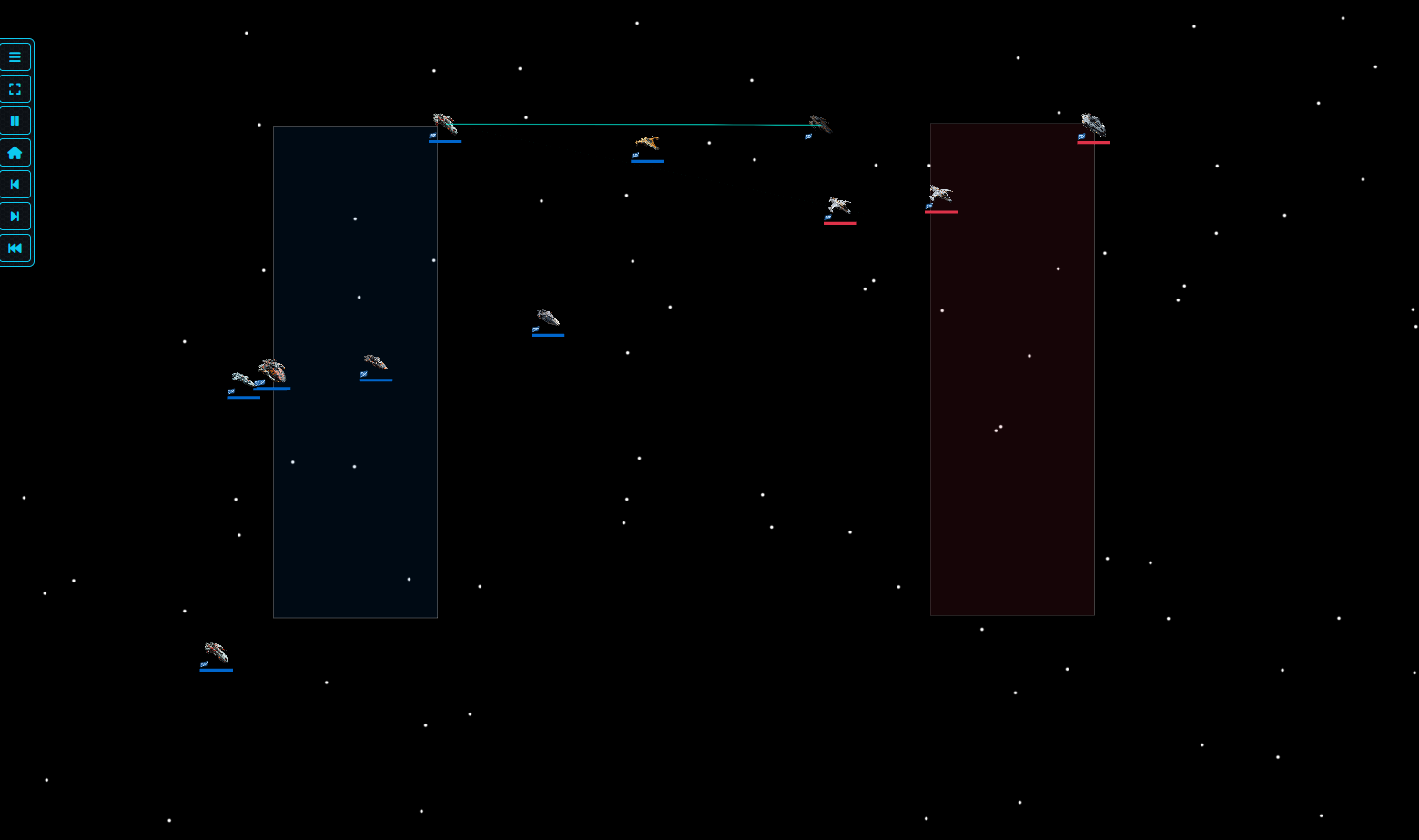
When an attacking fleet reaches a defending fleet or planet, a round-based battle is triggered. In each round all ships fire simultaneously, damage is applied and destroyed units are removed. The process repeats until one side is annihilated or retreats.
Space battle in 5Dim
Battles are resolved in successive rounds until one side falls
  1. Approach: the attacking fleet arrives at the target; the defender's fleets and their allies in orbit also join combat. If there is a sector defense in that sector it also enters combat, and if the combat is over an allied planet its defense enters too.
  2. Join time: if the difference between attacker and defender is not overwhelming, a ship-placement turn is given so that other fleets can join the combat, whether from the sides already involved or from new ones.
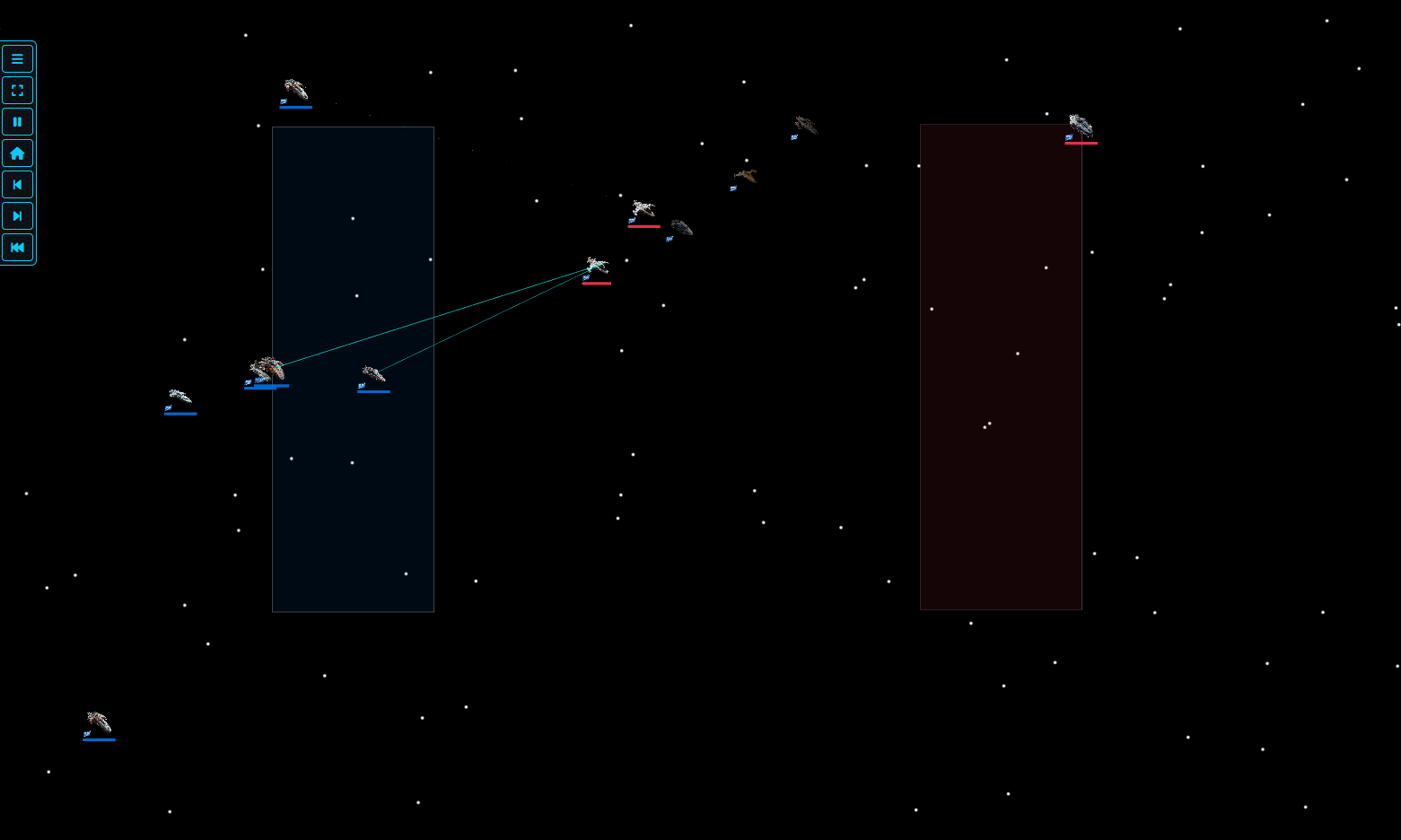
  3. Combat: combat begins and ships move at their impulse speed and behave as defined before entering combat. Ships whose armor reaches zero are destroyed and stop fighting. Damage is proportional to the percentage of health.
  4. Resolution: rounds succeed each other at regular intervals until the battle ends when only one side remains or there is no firing for a period of time.
  5. Loot and debris: the winning side collects the resources generated by the destruction of ships, first covering their own fleet losses and then according to cargo priorities; then the defender loads if possible. If there is a planet, all its resources are taken.
Attack, armor and design

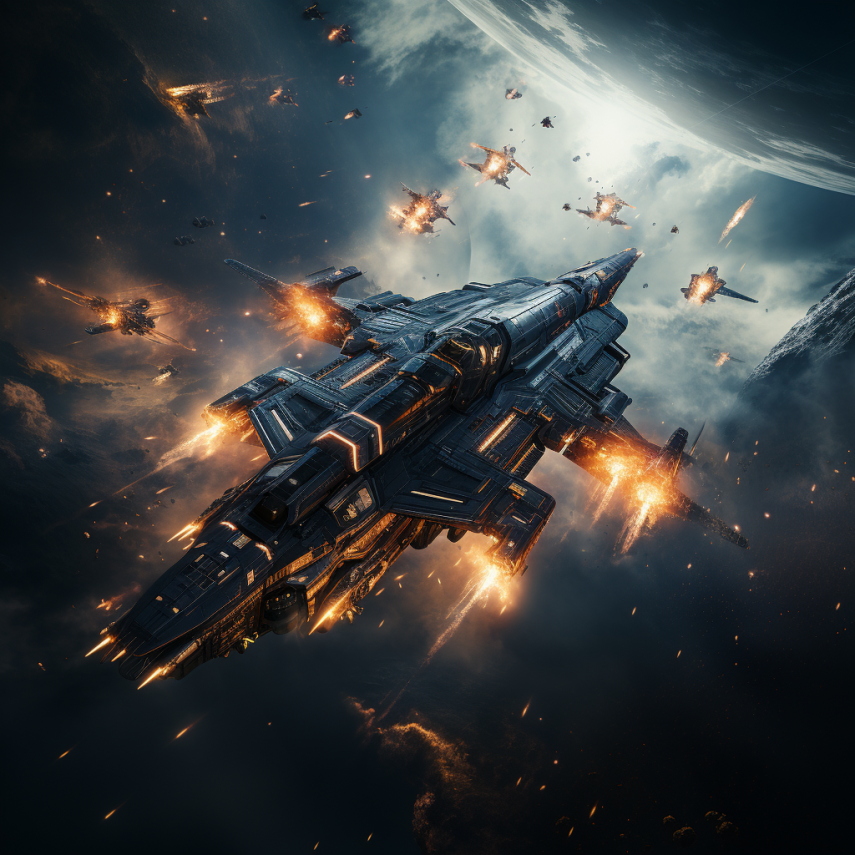
The outcome of a battle depends on the sum of attack power and armor of each fleet. A large but poorly designed fleet can lose to a smaller fleet with well-optimized ships. That is why, in 5Dim, ship design is a real strategic advantage, not merely an aesthetic detail. How ships' behaviors are configured is also very important.

5Dim combat report
After each battle you receive a detailed report with casualties from both sides. You can replay the combat as many times as you want

Before launching an attack, make sure your ships are placed in the correct behaviors. Learn to optimize them in the ship design guide.

Available combat missions

The fleet panel offers three main offensive missions:

Attack missionAttack

Launch a direct attack against an enemy fleet or planet. If you win, you plunder its resources according to your cargo priorities and can chain destinations to return or stay in orbit. If you lose, what remains of your fleet will continue to the next destination.

Destroy missionDestroy

Same as the attack mission, but if you win the combat you also destroy the space construction you attacked.

Conquer missionConquer

Same as the attack mission, but if you win the combat you also conquer the target planet. The time between turns is considerably longer and there is a minimum time so your fleet will remain in combat until it ends. Conquest time depends on the age of the planet.

Combat tips

Spy before attacking: use the espionage mission to learn in depth about the target fleet; if you want to know everything, first attack with a single ship as a probe.

Choose the right moment: attacks are always visible to the enemy regardless of distance. Defending fleets in flight can return to try to avoid interception; if the attacking fleet can, it will change course to continue the attack on the new route.

Keep your fleet moving: a stationary fleet is a fleet that generates no profit. Your fleet is another resource source; attack pirate fleets whenever you can. Remember you can make your fleets look like pirate fleets without identifying yourself, so don't worry about retaliation from other players.

Use the infrastructure: space constructions like the Dyson speed up your attacks, planet modules reduce production costs and time, sector defenses can be decisive… a fleet is nothing without infrastructure behind it.

Design to your needs: adapt your ships and fleets according to the mission and the enemy. Not all fleets need to be the same; strategic customization is key.

Combat objectives and key situations

Combat in 5Dim is not limited to attacking rival planets. These are the most important offensive situations you will encounter:

Planet conquests: taking an inhabited planet from another player is one of the hardest blows you can deal. First destroy or disperse their defending fleet, then send the Conquer mission. The planet becomes yours with all its buildings intact.

Intercepting pirate fleets: pirate fleets travel the map with resources on board. Send your fleet with an Attack mission; you can destroy them and take their loot. It is risky but very profitable when you have a solid combat fleet.

Necronexo attacks: Necronexo planets generate a pirate fleet when you send them the specific mission. Defeating it gives you Necroides, a special currency to upgrade your components. Difficulty scales with the planet's orbit, so start with the lower ones.

Attacking enemy collections: an enemy fleet stopped at an asteroid collecting is an easy and very profitable target. In addition to destroying their ships, you take the resources they had already extracted. Attack and flee in pirate mode so they can't retaliate.

Pirating transports: intercept rival transport fleets en route. A transport usually travels without escort or with minimal defense, allowing you to obtain large amounts of resources with few losses. Remember to send your fleet in pirate mode if you don't want to be identified.

Destroying space constructions: enemy space constructions (citadels, wonders, stations…) are high strategic value targets. Use the Destroy mission to eliminate them without wasting time loading loot. Coordinate with your alliance to overcome their defenses.

Ship behaviors in combat

Each ship fights according to the behavior you assign it in the fleet panel. The behavior determines its initial position in the battle and how it acts during combat. Choosing the right behavior for each ship type is as important as its design.

Combat initial positions have three rows (A, B, C) and four columns (1–4). Row A is the vanguard, C is the rear. Ships in more forward positions receive fire first, but also attack first.

Flee: the ship tries to escape as soon as it takes damage or combat turns unfavorable. Ideal for transports and support ships you don't want to lose. Place them in the rear (row C) so they have time to escape before being hit.

Defense: the ship holds its position and prioritizes absorbing damage. Perfect for battleships and high-armor ships that serve as a wall. Place them in the vanguard (row A) so they absorb attacks while the rest of the fleet operates from behind.

Attack: ships you want to attack the nearest target and fight to the death should be set to Hostile behavior. Ideal for fast and aggressive ships.

Ranged attack: for ships with more range that you want to support combat, there are behaviors like Maintain Distance and Minimize Damage that turn them into support ships.

Positioning tip: keep in mind that your cargo and hangar ships can be flanked, so assign them an escort or make them self-sufficient defensively. Be careful when assigning escorts because a ship that is not in free escort can become too restricted in its movements. Use fighters to reach fleeing enemy ships or to protect your cargo ships.

Alternative movement: you can assign a secondary behavior that activates if the first is no longer possible (for example, if there is nothing to flank or defenses to attack). Use it so ships don't sit idle when the formation changes during combat.

Mix behaviors in the same fleet: a homogeneous fleet is predictable and easy to counter. Combine slow ships as support with fast ships in attack dealing the damage, and keep a fast unit in escort to save your transports or valuable ships in case of flanking.

The strategy is yours. Start playing for free today.
Play for free